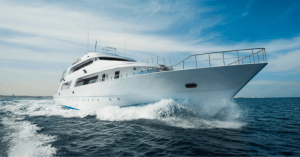
Embark on a thrilling journey to the Earth’s polar regions, where adventure awaits around every icy corner. Polar expeditions offer a unique blend of breathtaking landscapes, challenging terrains, and unparalleled wildlife encounters. This exploration delves into the world of polar adventures, catering to the intrepid traveler seeking something beyond the ordinary. From exhilarating kayaking expeditions amidst icebergs to challenging treks across glaciers, the possibilities are as vast and awe-inspiring as the polar landscapes themselves.
This guide examines the diverse types of polar expeditions available, the target audience they attract, and the crucial aspects of responsible tourism and safety. We’ll also compare polar expeditions to other adventure travel options, highlighting their unique appeal and the unforgettable experiences they offer. Understanding the logistics, risks, and rewards will empower you to plan your own unforgettable polar adventure.
Defining the Target Audience for Polar Expeditions

Polar expeditions cater to a niche but passionate segment of adventure travelers. Understanding their profile is crucial for effective marketing and trip design. These aren’t your average vacationers; they seek unique, challenging, and transformative experiences far removed from the everyday.The ideal profile encompasses a blend of demographics and psychographics, resulting in a traveler with specific motivations and expectations.
Ideal Traveler Profile
The typical polar expedition participant is likely to be aged between 35 and 65, possessing a relatively high disposable income. This allows them to afford the significant cost associated with these trips. While a higher percentage are likely to be from North America and Europe, the growing interest in adventure travel is broadening the geographical origins of participants.
Education levels tend to be high, reflecting a predisposition towards intellectual curiosity and a desire for unique experiences. Many participants are experienced travelers, with a history of adventure travel, possibly including trekking, mountaineering, or other physically demanding activities. They value sustainability and responsible travel, often choosing expeditions that emphasize environmental consciousness and minimal impact.
Key Demographics and Psychographics
Demographics primarily focus on age, income, and geographic location, as mentioned above. Psychographically, these travelers are driven by a desire for personal challenge, a thirst for exploration and discovery, and a deep appreciation for the natural world. They value authenticity and are less concerned with luxury amenities than with the quality of the experience and the expertise of the guides.
They tend to be independent, self-reliant individuals who appreciate being part of a small, like-minded group. Many seek a disconnect from technology and daily life, aiming for a truly immersive experience in a pristine environment.
Motivations and Expectations
Motivations for undertaking a polar expedition are varied but often intertwine. The desire to witness the raw beauty and untouched wilderness of the polar regions is a primary driver. Many seek a physical and mental challenge, pushing their limits in a demanding environment. Some are driven by a sense of adventure and exploration, wanting to experience something unique and unforgettable.
Others may have a specific scientific or conservation interest, contributing to research or supporting environmental protection efforts. Finally, some seek a transformative experience, a journey of self-discovery fueled by the powerful solitude and grandeur of the polar landscape. Expectations center around safety, expert guidance, and a well-organized expedition. They anticipate a challenging yet rewarding experience, a chance to connect with nature on a profound level, and the creation of lasting memories.
Types of Polar Expeditions Available
Planning a polar expedition requires careful consideration of your desired experience and capabilities. The vast, icy landscapes of the Arctic and Antarctic offer a range of adventures, each presenting unique challenges and rewards. Choosing the right type of expedition depends on your fitness level, budget, and the kind of immersive experience you seek.The diverse nature of polar expeditions allows for a wide spectrum of adventure styles, catering to various interests and experience levels.
From leisurely cruises to demanding treks, there’s a polar adventure suited to everyone. The following Artikels the most common expedition types, highlighting their distinctive characteristics.
Polar Cruise Expeditions
Polar cruises offer a relatively accessible way to experience the beauty of the polar regions. These voyages utilize ice-strengthened vessels, allowing for navigation through icy waters and access to remote locations. Cruises typically include lectures from experts, wildlife viewing opportunities, and landings on shore for exploration. The level of activity varies depending on the specific itinerary, with some offering more active excursions like kayaking or hiking.
Polar Trekking Expeditions
Trekking expeditions provide a more immersive and physically demanding experience. These expeditions involve multi-day journeys on foot across glaciers, ice fields, or snow-covered landscapes. Participants should possess a reasonable level of fitness and experience in cold-weather hiking. Trekking expeditions offer unparalleled opportunities for close encounters with nature and a deep connection with the polar environment. Guided expeditions typically provide all necessary equipment and support.
Polar Kayaking Expeditions
Kayaking expeditions offer a unique perspective on the polar landscape. Participants paddle through icy waters, encountering wildlife and exploring hidden coves and fjords inaccessible by other means. These expeditions require a good level of kayaking skill and physical fitness, as well as the ability to handle cold water conditions. Sea kayaking expeditions are particularly rewarding for those seeking a more intimate and adventurous experience.
Polar Dog Sledding Expeditions
Dog sledding expeditions provide a thrilling and authentic polar experience. Participants travel across snowy landscapes pulled by a team of huskies, experiencing the traditional mode of transportation used by polar explorers for centuries. These expeditions range in difficulty, from shorter, introductory trips to longer, more challenging adventures requiring endurance and cold-weather experience. Dog sledding offers a unique connection with nature and the fascinating culture of the Arctic.
Comparison of Expedition Types
| Expedition Type | Duration (Days) | Difficulty Level | Approximate Cost (USD) |
|---|---|---|---|
| Polar Cruise | 7-14+ | Easy to Moderate | $5,000 – $20,000+ |
| Polar Trekking | 7-21+ | Moderate to Strenuous | $8,000 – $30,000+ |
| Polar Kayaking | 7-14+ | Moderate to Strenuous | $7,000 – $25,000+ |
| Polar Dog Sledding | 3-10+ | Easy to Strenuous | $4,000 – $15,000+ |
Marketing and Promotion of Polar Expeditions
Marketing polar expeditions requires a targeted approach that resonates with the unique desires and motivations of adventure travelers. Success hinges on effectively communicating the unparalleled experiences, emphasizing safety and sustainability, and leveraging the power of visual storytelling to capture the imagination of potential explorers. A multi-channel strategy is key, encompassing digital marketing, print media, and collaborations with travel agents and influencers.
A successful marketing strategy needs to consider the specific characteristics of the target audience, which typically includes affluent individuals seeking unique and challenging travel experiences. These individuals are often well-educated, environmentally conscious, and appreciate authenticity and high-quality service. Marketing materials should therefore reflect these values and aspirations.
Marketing Strategies for Reaching the Target Audience
Reaching the target audience requires a multi-pronged approach. High-quality photography and videography are essential to showcase the breathtaking beauty and raw power of the polar regions. This visual content should be disseminated across various platforms, including social media (Instagram, Facebook, YouTube), targeted online advertising (Google Ads, social media ads), and partnerships with travel blogs and influencers specializing in adventure travel.
Furthermore, print advertising in relevant travel magazines and collaborations with luxury travel agencies can reach a more affluent and discerning clientele. Email marketing campaigns, personalized to the interests of past clients and potential customers, can also be highly effective in nurturing leads and driving conversions.
Compelling Marketing Materials for Polar Expeditions
Brochures should feature stunning photography and concise, impactful copy that highlights the unique selling points of each expedition. These points could include the level of adventure, the unique wildlife encounters, the scientific or cultural aspects of the expedition, and the commitment to sustainable travel practices. Website content should be detailed and informative, providing comprehensive information on itineraries, pricing, equipment requirements, and the qualifications of the expedition leaders.
Interactive elements, such as 360° virtual tours and video testimonials from past participants, can significantly enhance the user experience and build trust. The website should also incorporate a robust booking system and a dedicated section for frequently asked questions.
Examples of Successful Marketing Campaigns for Similar Adventure Travel Products
Several adventure travel companies have successfully marketed their products using compelling storytelling and visual content. For example, National Geographic’s expeditions utilize their strong brand reputation and stunning photography to attract adventurous travelers seeking authentic and educational experiences. Companies like G Adventures have successfully employed influencer marketing, collaborating with travel bloggers and social media personalities to reach a wider audience.
These campaigns often highlight the personal stories and experiences of past participants, creating an emotional connection with potential customers. Another example is the use of “before and after” photos or videos showcasing the transformation of a participant from preparation to accomplishment of the expedition. This approach appeals to a sense of achievement and personal growth.
Sustainability and Responsible Tourism in Polar Regions
The pristine beauty and unique ecosystems of the polar regions are increasingly vulnerable to the impacts of tourism. While polar expeditions offer unparalleled adventure and scientific opportunities, it’s crucial to acknowledge and mitigate their environmental footprint to ensure the long-term health of these fragile environments and the well-being of the communities that call these regions home. Responsible tourism practices are paramount in preserving the irreplaceable value of the polar regions for future generations.The environmental impact of polar expeditions is multifaceted.
Activities such as ship emissions, waste generation, disturbance of wildlife, and the potential introduction of invasive species pose significant threats. Minimizing these negative effects requires a comprehensive approach involving careful planning, stringent regulations, and a strong commitment from both expedition operators and tourists.
Minimizing the Environmental Impact of Polar Expeditions
Strategies for reducing the environmental footprint of polar expeditions focus on several key areas. Reducing greenhouse gas emissions from vessels is a priority, achieved through the use of cleaner fuels, improved engine efficiency, and the implementation of carbon offsetting programs. Waste management protocols must be rigorous, with a strong emphasis on waste reduction, recycling, and proper disposal to prevent pollution of the sensitive polar environments.
Minimizing disturbance to wildlife is crucial, requiring adherence to strict guidelines on wildlife viewing distances and avoidance of breeding grounds and sensitive habitats. Furthermore, strict biosecurity measures are essential to prevent the introduction of invasive species that could disrupt the delicate balance of polar ecosystems. For instance, thorough cleaning and disinfection of equipment before and after expeditions are crucial to eliminate potential contaminants.
Responsible Tourism Practices in Preserving Polar Ecosystems
Responsible tourism in polar regions goes beyond simply minimizing negative impacts; it actively contributes to the conservation and preservation of these unique environments. This involves supporting local communities through economic benefits generated by tourism, while simultaneously educating tourists about the importance of environmental stewardship. Collaboration between expedition operators, researchers, and local communities is vital in developing and implementing sustainable tourism strategies.
This collaborative approach ensures that tourism benefits both the environment and the people who live in and around these extraordinary places. For example, employing local guides not only provides economic opportunities but also shares valuable indigenous knowledge and promotes cultural understanding.
Examples of Sustainable Tourism Initiatives
Several initiatives exemplify sustainable tourism practices in polar regions. The International Association of Antarctica Tour Operators (IAATO) has established strict guidelines for member operators regarding environmental protection, wildlife observation, and waste management. Many expedition companies are investing in fuel-efficient ships and implementing comprehensive waste management systems. Furthermore, some operators are partnering with research institutions to conduct scientific studies and contribute to environmental monitoring programs.
These collaborations help gather valuable data on the impact of tourism and inform the development of more sustainable practices. For example, research on the effects of ship noise on marine mammals informs guidelines for minimizing vessel disturbance near sensitive habitats. Additionally, some expeditions actively incorporate citizen science projects, allowing tourists to contribute to data collection efforts and further increasing environmental awareness.
Comparison with Other Adventure Travel Niches
Polar expeditions offer a unique adventure travel experience, distinctly different from other niches. While sharing some common threads with other adventure tourism, the extreme environment, specialized skills often required, and the profound sense of remoteness set polar expeditions apart. This comparison highlights the key distinctions and similarities between polar expeditions and other popular adventure travel options.Polar expeditions demand a higher level of physical and mental preparedness compared to many other adventure travel options.
The unique challenges of extreme cold, potential hazards like crevasses, and the isolation inherent in polar regions necessitate specialized skills and equipment. This contrasts sharply with more accessible adventure activities, although the thrill and reward are often commensurate with the difficulty.
Adventure Sports Travel
Adventure sports travel encompasses a wide range of activities, from rock climbing and white-water rafting to mountain biking and bungee jumping. While both cater to thrill-seekers, polar expeditions focus on exploration and wilderness experience, often incorporating activities like skiing, snowshoeing, and kayaking within the context of a larger expedition.
- Advantages of Polar Expeditions over Adventure Sports: Unique and remote environments, unparalleled sense of accomplishment, strong focus on conservation and sustainability.
- Disadvantages of Polar Expeditions over Adventure Sports: Higher cost, greater physical demands, more specialized equipment and training required.
Birdwatching Tours
Birdwatching tours focus on observing avian species in their natural habitats. While some polar regions offer incredible birdwatching opportunities, such as during the Arctic breeding season, polar expeditions are broader in scope, encompassing a wider range of wildlife and landscape experiences.
- Advantages of Polar Expeditions over Birdwatching Tours: Wider range of wildlife viewing opportunities, exploration of diverse landscapes beyond bird habitats, potentially more immersive wilderness experience.
- Disadvantages of Polar Expeditions over Birdwatching Tours: Higher cost, less focused on specific bird species, requires higher levels of physical fitness.
Arctic and Polar Expeditions (Non-Specific Comparison)
This category needs further clarification as it overlaps significantly with the subject matter. However, we can compare and contrast different types of polar expeditions (e.g., Antarctic versus Arctic expeditions, cruises versus land-based expeditions). Differences might include accessibility, specific wildlife encounters, and the type of activities offered.
- Advantages of Specific Expeditions: Certain expeditions may offer unique opportunities based on location and focus (e.g., witnessing specific wildlife, unique landscapes).
- Disadvantages of Specific Expeditions: Specific expeditions might lack the breadth of experiences offered by a more comprehensive expedition.
Golf Vacations
Golf vacations are a leisure-focused activity centered around playing golf at various courses. This niche differs dramatically from polar expeditions in terms of physical demands, environment, and overall experience.
- Advantages of Polar Expeditions over Golf Vacations: Unique and challenging experience, immersion in a remote wilderness, opportunity for personal growth and self-discovery.
- Disadvantages of Polar Expeditions over Golf Vacations: Significantly higher cost, demanding physical fitness requirements, potentially less relaxing experience.
Sailing and Yachting
Sailing and yachting offer a blend of adventure and relaxation, with opportunities for exploration and relaxation at sea. Polar expeditions, while sometimes incorporating sailing or kayaking, primarily focus on land-based exploration and are significantly more challenging in terms of environmental conditions.
- Advantages of Polar Expeditions over Sailing/Yachting: Unique wildlife viewing opportunities, exploration of remote land-based environments, deeper immersion in wilderness.
- Disadvantages of Polar Expeditions over Sailing/Yachting: Higher cost, more physically demanding, less emphasis on relaxation and leisure.
Jungle and Rainforest Exploration
Jungle and rainforest exploration offer a different kind of wilderness experience, focused on tropical environments and unique flora and fauna. Polar expeditions differ drastically in terms of climate, vegetation, and wildlife.
- Advantages of Polar Expeditions over Jungle Exploration: Unique cold-climate wildlife and landscapes, sense of isolation and remoteness, different challenges and rewards.
- Disadvantages of Polar Expeditions over Jungle Exploration: Extreme cold, higher equipment costs, specialized clothing requirements.
Wellness Cruises
Wellness cruises prioritize relaxation, health, and well-being. Polar expeditions, while potentially offering a sense of rejuvenation through connection with nature, primarily focus on adventure and exploration, not relaxation and pampering.
- Advantages of Polar Expeditions over Wellness Cruises: Unique and challenging experience, sense of accomplishment, opportunity for personal growth.
- Disadvantages of Polar Expeditions over Wellness Cruises: Less focus on relaxation and pampering, physically demanding, higher cost.
Geological Destinations
Geological destinations focus on exploring unique geological formations and landscapes. While polar regions offer incredible geological features, polar expeditions often integrate geological aspects within a broader exploration context, rather than focusing solely on geology.
- Advantages of Polar Expeditions over Geological Tours: Broader range of experiences beyond geology, opportunity for wildlife viewing, potentially more immersive wilderness experience.
- Disadvantages of Polar Expeditions over Geological Tours: Less focused on specific geological features, higher cost, more physically demanding.
Music and Performing Arts Travel
Music and performing arts travel combines cultural experiences with travel. This niche is vastly different from polar expeditions, with no direct overlap in terms of activities or target audience.
- Advantages of Polar Expeditions over Arts Travel: Unique and challenging experience, immersion in a remote wilderness, opportunity for personal growth and self-discovery.
- Disadvantages of Polar Expeditions over Arts Travel: Less focus on cultural experiences, physically demanding, higher cost.
Educational Tours
Educational tours focus on learning and knowledge acquisition. While some polar expeditions incorporate educational elements, such as lectures from experts, the primary focus is on adventure and exploration rather than formal education.
- Advantages of Polar Expeditions over Educational Tours: Unique and immersive learning experience, hands-on engagement with the environment, opportunity for personal growth.
- Disadvantages of Polar Expeditions over Educational Tours: Less structured learning environment, higher cost, more physically demanding.
Safety and Risk Management in Polar Expeditions
Polar expeditions, while incredibly rewarding, present unique and significant safety challenges. The extreme environments of the Arctic and Antarctic, characterized by harsh weather, remote locations, and unpredictable conditions, demand meticulous planning and robust safety protocols. Failure to adequately address these risks can have severe, even fatal, consequences. Expedition operators and participants must be fully aware of the potential dangers and prepared to mitigate them effectively.
Potential Risks and Challenges
Polar expeditions expose participants to a range of environmental hazards. These include extreme cold, leading to hypothermia and frostbite; unpredictable weather patterns, including blizzards and whiteouts that severely limit visibility and navigation; crevasses, deep fissures in glaciers posing a significant risk of falls; wildlife encounters, potentially with aggressive animals like polar bears; and the risk of getting lost or separated from the group in the vast, unforgiving landscapes.
Furthermore, medical emergencies in remote locations can be exceptionally difficult to manage, requiring rapid and effective response procedures. The isolation and remoteness inherent in polar exploration also amplify the potential consequences of any incident.
Safety Protocols and Procedures for Expedition Operators
Expedition operators bear the primary responsibility for ensuring the safety of their clients. This necessitates comprehensive risk assessments prior to each expedition, meticulously planned itineraries that account for potential challenges, and the establishment of clear communication and emergency response protocols. Operators should employ experienced and highly trained guides and support staff with extensive polar experience, including wilderness first aid and survival skills.
Regular safety briefings for participants, covering topics such as appropriate clothing, equipment use, and emergency procedures, are essential. Operators must also maintain robust communication systems, including satellite phones and GPS tracking devices, to facilitate timely assistance in case of emergencies. Comprehensive pre-trip medical screenings for participants are crucial to identify any pre-existing conditions that could be exacerbated by the expedition’s challenges.
Finally, operators must have detailed contingency plans in place to address various potential scenarios, including weather delays, medical emergencies, and equipment malfunctions. Regular drills and practice sessions help to ensure that everyone is prepared for unexpected events.
Essential Safety Equipment and Precautions for Travelers
Prior to embarking on a polar expedition, travelers should carefully consider and acquire the necessary safety equipment and understand essential precautions.
- Appropriate Clothing: Layered clothing system designed for extreme cold, including thermal underwear, insulating mid-layers, and waterproof and windproof outer shells. This system should allow for adjustments based on changing weather conditions.
- Footwear: Insulated, waterproof boots with good traction, suitable for the specific terrain and conditions. Spare socks are crucial to prevent blisters and maintain warmth.
- Navigation Tools: GPS device with extra batteries, maps, compass, and altimeter. Knowledge of how to use these tools effectively is essential.
- Communication Devices: Satellite phone or personal locator beacon (PLB) for emergency communication, and knowledge of how to use them effectively. Spare batteries are vital.
- First-Aid Kit: Comprehensive kit tailored to the potential risks of polar environments, including medications for common ailments and injuries. Participants should also receive training in basic first aid.
- Sun Protection: High SPF sunscreen, sunglasses, and lip balm to protect against intense UV radiation reflected by snow and ice.
- Emergency Supplies: Extra food and water, emergency shelter, and a multi-tool or knife. Participants should also be trained in basic survival skills.
- Personal Identification: Clearly visible identification tags, including medical information. This is critical in case of separation from the group.
Visual Representation of Polar Expedition Experiences
Polar expeditions offer a unique opportunity to witness breathtaking landscapes and incredible wildlife encounters unlike anywhere else on Earth. The stark beauty of the polar regions, coupled with the challenges of exploration, creates an unforgettable experience for adventurous travelers. These expeditions provide a visceral connection to the raw power and delicate balance of these pristine environments.The sheer scale and pristine beauty of the polar landscapes are immediately striking.
Imagine vast expanses of white, unbroken by any human presence, save for the occasional research station or the ship itself. The icy plains stretch to the horizon, punctuated by towering icebergs sculpted by wind and water into fantastical shapes. The air is crisp and clean, carrying the scent of salt and ice. The silence is profound, broken only by the creak of ice and the calls of wildlife.
This stark beauty is contrasted by the vibrant colors of the aurora borealis, dancing across the night sky in a breathtaking display of light.
Breathtaking Scenery and Wildlife Encounters
The polar regions are home to a unique array of wildlife adapted to survive in these extreme conditions. In the Arctic, you might encounter polar bears, majestic creatures patrolling the ice floes, their powerful presence a constant reminder of the wildness of the environment. Walruses haul out on ice, their massive bodies a testament to their resilience. Arctic foxes, with their thick fur coats, scurry across the snow.
Orcas, sleek and powerful, patrol the waters, their movements graceful and precise. In the Antarctic, penguins waddle across the ice, their comical gait a source of endless amusement. Leopard seals, sleek and powerful, hunt in the icy waters, while elephant seals bask on the beaches, their size and bulk impressive. Albatrosses soar overhead, their wingspans impressive against the vast sky.
These encounters are not just visually stunning but also deeply moving, offering a glimpse into the lives of creatures perfectly adapted to their harsh environment. Witnessing these animals in their natural habitat is a privilege and a powerful reminder of the importance of conservation.
Challenges and Rewards of Polar Exploration
Exploring the polar regions presents unique challenges. The extreme cold, unpredictable weather, and remote locations demand meticulous planning and preparation. Travel can be difficult, requiring specialized equipment and experienced guides. The remoteness of these areas also means that rescue operations are challenging and time-consuming, emphasizing the need for careful risk assessment and mitigation. However, the rewards are immense.
The sense of accomplishment in overcoming these challenges is unparalleled. The feeling of being in a place untouched by human development, witnessing the raw power of nature, is truly awe-inspiring. The opportunity to learn about the polar environment and the unique wildlife that inhabits it is both educational and enriching. The sense of adventure and the opportunity to push personal boundaries are deeply satisfying.
A Typical Day on a Polar Expedition
A typical day on a polar expedition begins with the sounds of the ship gently rocking in the ice. The air is crisp and cold, biting at exposed skin. After a hearty breakfast, you might embark on a zodiac cruise, the small inflatable boats allowing for closer encounters with wildlife and icebergs. The sound of the zodiac’s engine mixes with the calls of birds and the cracking of ice.
The sight of icebergs, sculpted by wind and water into fantastical shapes, is breathtaking. Perhaps a landing on land is possible, providing an opportunity to walk on the ice, feeling the cold crunch beneath your boots. The silence is profound, broken only by the wind and the occasional call of a bird. In the evening, you might gather on deck to watch the sunset, the colors painting the sky in vibrant hues.
The day ends with the comforting warmth of the ship, the sounds of the ocean a lullaby as you drift off to sleep. Each day offers a unique experience, a blend of adventure, discovery, and breathtaking beauty.
The Future of Polar Expeditions
The polar expedition industry stands at a fascinating crossroads. While the allure of these pristine environments continues to draw adventurous travelers, the industry faces significant challenges and opportunities shaped by climate change, technological advancements, and evolving societal values. Understanding these factors is crucial for ensuring the long-term viability and sustainability of polar expeditions.The impact of climate change on polar regions is undeniable and profoundly affects the future of expeditions.
Melting ice caps, shifting weather patterns, and increased instability in the polar environments pose significant operational and safety challenges. This necessitates a proactive approach to risk management and adaptation strategies.
Climate Change Impacts on Polar Expeditions
Climate change is fundamentally reshaping the polar landscape, impacting the very feasibility of certain expeditions. The shrinking sea ice, for instance, is altering traditional routes for ships and impacting wildlife viewing opportunities. Increased glacial melt leads to unpredictable conditions, creating hazards for land-based expeditions. Companies are increasingly incorporating climate models and real-time data into their planning to mitigate risks and adapt to changing conditions.
For example, some expedition companies are shifting their focus to destinations less immediately affected by ice melt, or are developing more flexible itineraries that can adapt to rapidly changing conditions. This requires a significant investment in data analysis and forecasting capabilities. Furthermore, the increased frequency of extreme weather events, such as stronger storms and unpredictable temperature fluctuations, adds another layer of complexity to expedition planning and safety protocols.
Innovative Approaches to Sustainable and Accessible Polar Expeditions
The industry is actively exploring innovative solutions to enhance the sustainability and accessibility of polar expeditions. This includes a growing emphasis on reducing the carbon footprint of expeditions through the use of more fuel-efficient vessels, the exploration of alternative fuels, and the implementation of carbon offsetting programs. Furthermore, technological advancements, such as improved satellite communication and remote sensing technologies, are enhancing safety and operational efficiency, reducing environmental impact by enabling more precise navigation and monitoring of sensitive areas.
Increased use of electric and hybrid vessels, as well as advancements in waste management and recycling onboard, are also contributing to a more environmentally conscious approach. Initiatives to promote responsible tourism, including education and awareness programs for travelers, are also gaining traction. For instance, some operators are actively partnering with research institutions to conduct scientific monitoring during their expeditions, allowing them to contribute to a better understanding of these fragile environments.
Emerging Trends in the Polar Expedition Industry
Several emerging trends are shaping the future of polar expeditions. The rise of adventure tourism focused on sustainable and responsible travel is driving demand for expeditions that prioritize environmental protection and minimize their impact. Furthermore, the increasing accessibility of polar regions, due to improved infrastructure and technology, is opening up new opportunities for a wider range of travelers, including those with varying levels of experience and physical abilities.
A growing interest in scientific tourism, where travelers participate in research activities alongside scientists, is also becoming more prevalent. This trend reflects a growing desire for immersive and educational experiences that go beyond simply sightseeing. Lastly, the development of specialized expeditions catering to niche interests, such as photography, wildlife observation, and kayaking, is expanding the diversity of offerings within the industry.
Ultimate Conclusion
Ultimately, polar expeditions represent a pinnacle of adventure travel, offering a transformative experience unlike any other. The challenges are significant, but the rewards – witnessing pristine wilderness, encountering remarkable wildlife, and pushing personal boundaries – are equally profound. By understanding the nuances of planning, prioritizing safety, and embracing responsible tourism, you can contribute to the preservation of these fragile ecosystems while enjoying an unforgettable journey of a lifetime.
The allure of the polar regions beckons; are you ready to answer its call?
Question Bank
What is the best time of year to go on a polar expedition?
The ideal time depends on the specific location and type of expedition. Generally, summer months offer longer daylight hours and milder temperatures, but winter offers unique opportunities for viewing the aurora borealis.
How much does a polar expedition cost?
Costs vary greatly depending on the duration, type of expedition, and level of luxury. Expect to pay several thousand dollars, potentially more for longer, more exclusive trips.
What level of fitness is required for a polar expedition?
The required fitness level depends on the expedition type. Some cruises require minimal physical exertion, while trekking and kayaking expeditions demand a higher level of fitness and endurance.
What kind of clothing should I pack for a polar expedition?
Pack layers of warm, waterproof clothing including thermal underwear, fleece jackets, waterproof outerwear, hats, gloves, and sturdy waterproof boots.