Jungle trekking adventures offer a unique blend of physical challenge, natural beauty, and cultural immersion. These expeditions go beyond simple hiking, encompassing diverse experiences ranging from navigating dense rainforests to encountering unique wildlife and interacting with local communities. From the Amazon basin to the Southeast Asian jungles, each location presents a distinct landscape, flora, fauna, and cultural heritage, promising an unforgettable journey for adventurous travelers.
This exploration delves into the meticulous planning required for a successful trek, covering essential gear, safety protocols, and responsible travel practices. We’ll examine the ecological and cultural significance of these adventures, highlighting both the environmental impact and the positive contributions to local economies and the preservation of indigenous cultures. Finally, we’ll compare jungle trekking to other adventure travel activities, revealing its unique position within the broader tourism landscape.
Defining Jungle Trekking Adventures

Jungle trekking adventures offer a diverse range of experiences, appealing to adventurers of all levels, from casual nature enthusiasts to seasoned explorers. These adventures go beyond simply walking through a forest; they involve immersion in the unique ecosystems of tropical and subtropical regions, encountering diverse flora and fauna, and often incorporating elements of cultural exploration and physical challenge.The key elements differentiating jungle trekking from other adventure travel lie in the specific environment and the challenges it presents.
Unlike hiking in mountainous regions or desert landscapes, jungle trekking necessitates navigating dense vegetation, potentially treacherous terrain, and unpredictable weather conditions. It often involves a higher degree of physical exertion and requires specific skills and preparation, including navigation, awareness of potential dangers (wildlife encounters, insects, etc.), and an understanding of the local environment.
Jungle Trekking Locations Worldwide
The world offers a multitude of unique jungle trekking locations, each possessing its own distinct characteristics and challenges. The Amazon rainforest in South America, for example, is renowned for its sheer scale and biodiversity, presenting opportunities for encountering a vast array of plant and animal life, including jaguars, monkeys, and an incredible variety of bird species. Trekking here often involves navigating rivers and dealing with high humidity and intense heat.
In contrast, the rainforests of Southeast Asia, particularly in countries like Borneo and Thailand, offer a different experience, with diverse landscapes ranging from lowland dipterocarp forests to mountainous terrain. These regions are known for their orangutans, elephants, and rich cultural heritage, often involving interactions with indigenous communities. The jungles of Central Africa, encompassing regions of the Congo Basin, are characterized by their dense vegetation, high humidity, and the presence of iconic animals such as gorillas and chimpanzees.
Trekking in these regions frequently involves navigating challenging terrain and supporting conservation efforts. Finally, the Daintree Rainforest in Australia, one of the oldest rainforests in the world, offers a unique opportunity to experience a tropical environment with ancient flora and fauna, including unique bird species and diverse insect life. Each location presents a unique blend of ecological wonders, cultural experiences, and physical challenges, making jungle trekking a truly diverse and rewarding form of adventure travel.
Planning a Jungle Trekking Adventure
Embarking on a jungle trek requires meticulous planning to ensure a safe and rewarding experience. Careful consideration of itinerary, packing, and safety measures is crucial for a successful adventure. This section Artikels a framework for planning your jungle trek, providing a sample itinerary, packing list, and safety recommendations.
Seven-Day Jungle Trekking Itinerary
A well-structured itinerary is the backbone of a successful jungle trek. This sample itinerary assumes a moderate fitness level and access to established trails within a rainforest environment. Adjustments will be necessary depending on the specific location and chosen difficulty level.
- Day 1: Arrival and Acclimatization: Arrive at the designated gateway town or village. Settle into your accommodation (e.g., eco-lodge or pre-arranged guesthouse). Spend the afternoon acclimatizing to the environment, resting, and familiarizing yourself with the local area.
- Day 2: Jungle Orientation and Easy Hike: Participate in a guided orientation session covering jungle safety, flora and fauna identification, and basic survival skills. Embark on a short, easy hike to get a feel for the terrain and acclimatize physically.
- Day 3: Moderate Trek and Wildlife Spotting: A longer, more challenging trek through diverse jungle environments. Focus on wildlife spotting with the guidance of an experienced naturalist. Observe local plants and animals in their natural habitat.
- Day 4: Challenging Trek and River Crossing: A demanding trek that might involve navigating challenging terrain, potentially including river crossings (with appropriate safety measures). This day emphasizes physical endurance and navigation skills.
- Day 5: Cultural Immersion and Relaxation: Visit a local village to experience the culture and interact with the indigenous community. Spend the afternoon relaxing and reflecting on the trek’s experiences.
- Day 6: Exploration and Photography: Explore a specific area of interest, perhaps a waterfall, unique ecosystem, or viewpoint. Focus on photography and capturing the beauty of the jungle.
- Day 7: Departure: Enjoy a final breakfast in the jungle before returning to the gateway town or village for your departure.
Jungle Trekking Packing List
Proper preparation is paramount. This list emphasizes essential items, categorized for clarity. Remember to check weather forecasts and adjust accordingly.
- Clothing: Lightweight, quick-drying hiking pants and shirts (moisture-wicking fabrics are ideal), rain jacket, sturdy hiking boots (broken-in beforehand), warm layers for cooler evenings, swimwear (if applicable), hat, sunglasses.
- Gear: Backpack (50-70 liters), sturdy hiking poles, head lamp with extra batteries, water bottles or hydration reservoir, first-aid kit (including insect repellent, sunscreen, blister treatment), knife or multi-tool, map and compass (and knowledge of how to use them), waterproof bags for electronics and documents.
- Personal Items: Toiletries (biodegradable soap and shampoo are preferred), medications (prescription and over-the-counter), insect repellent (high DEET concentration), sunscreen (high SPF), personal identification documents, cash (local currency).
- Optional Items: Binoculars, camera, book, journal, lightweight towel.
Safety Precautions and Risk Mitigation
Jungle trekking presents inherent risks. Prioritizing safety is crucial. This section highlights key precautions and mitigation strategies.
Before your trek, research your destination thoroughly, including potential hazards (wildlife, weather, terrain). Inform someone of your itinerary and expected return time. Hire a reputable guide with experience in the specific jungle region. Ensure you have appropriate travel insurance covering medical emergencies and evacuation.
During your trek, stay hydrated, maintain a consistent pace, and listen to your body. Be aware of your surroundings and follow your guide’s instructions. Avoid touching unknown plants or animals. Use insect repellent diligently. Learn basic first-aid and wilderness survival skills before your trek.
If an emergency arises, activate your emergency contact and follow established protocols.
Always prioritize safety and respect the environment. A well-planned and carefully executed jungle trek can be a truly unforgettable experience.
The Ecological and Cultural Significance of Jungle Trekking
Jungle trekking, while offering incredible opportunities for adventure and exploration, carries significant ecological and cultural implications. Understanding these impacts is crucial for ensuring the sustainability of this popular activity and maximizing its benefits for both the environment and local communities. Responsible practices are essential to minimize negative effects and promote positive interactions with the natural world and its inhabitants.
Environmental Impact of Jungle Trekking and Mitigation Strategies
The environmental impact of jungle trekking can range from minor disturbances to significant ecological damage, depending on the scale and practices employed. Increased foot traffic can lead to soil erosion and compaction, harming delicate ecosystems. Improper waste disposal contributes to pollution, and the disturbance of wildlife can disrupt natural behaviors and breeding cycles. However, implementing sustainable practices can significantly mitigate these negative impacts.
This includes sticking to designated trails, employing proper waste management techniques (pack it in, pack it out), educating participants about responsible wildlife viewing, and supporting initiatives that promote ecological restoration and conservation within trekking areas. For example, the creation and maintenance of well-marked trails can help prevent the spread of erosion and protect sensitive vegetation. Similarly, the use of biodegradable materials and proper waste disposal systems minimizes pollution.
Contribution of Jungle Trekking to Local Economies and Communities
Jungle trekking significantly contributes to the economic well-being of local communities in many regions. It provides employment opportunities for guides, porters, cooks, and other support staff. The influx of tourists also generates revenue for local businesses, such as hotels, restaurants, and souvenir shops. For instance, in the Amazon rainforest, numerous indigenous communities depend on ecotourism, including jungle trekking, as a primary source of income, allowing them to preserve their traditional lifestyles and cultural heritage while participating in the global economy.
This economic benefit incentivizes the conservation of natural resources and cultural heritage, fostering a sustainable relationship between tourism and local communities. Furthermore, revenue generated can be reinvested in community development projects, such as education and healthcare initiatives.
Cultural Significance of Jungle Trekking in Different Regions
Jungle trekking holds diverse cultural significance across different regions. In some cultures, jungles are considered sacred spaces, holding deep spiritual meaning and representing a connection to ancestral heritage. Trekking through these areas can be a pilgrimage, a rite of passage, or a way to connect with spiritual beliefs. For example, certain indigenous tribes in Southeast Asia view their jungles as the embodiment of their ancestors and spirits, and jungle trekking for them is not just an adventure but a spiritual journey.
In other regions, jungle trekking may be linked to traditional practices like hunting, gathering, or medicinal plant collection, integrating the activity within the fabric of local culture and traditions. These cultural dimensions add a layer of richness and significance to jungle trekking experiences, highlighting the importance of respecting local customs and traditions. Responsible trekking operators often collaborate with local communities to ensure that cultural heritage is protected and that tourism benefits are equitably shared.
Comparing Jungle Trekking with Other Adventure Travel Activities
Jungle trekking, while a thrilling and rewarding adventure, occupies a specific niche within the broader landscape of adventure travel. Comparing it to other activities illuminates its unique strengths and limitations, helping potential travelers choose the experience best suited to their preferences and capabilities. This comparison considers thrill levels, accessibility, environmental impact, and target audiences.
Jungle Trekking Compared to Adventure Sports Travel
Adventure sports travel encompasses a wide range of activities, from white-water rafting and rock climbing to paragliding and bungee jumping. While jungle trekking incorporates elements of adventure, such as navigating challenging terrain and potentially encountering wildlife, the thrill level is generally lower and more sustained than the adrenaline rushes associated with many adventure sports. Accessibility is also a factor; jungle treks can be physically demanding but are generally more accessible to a wider range of fitness levels than some extreme sports.
Environmental impact varies depending on the trek and operator, but responsible jungle trekking aims for minimal disruption, unlike some adventure sports which can have more significant impacts on sensitive ecosystems.
Jungle Trekking Compared to Birdwatching Tours
Jungle trekking and birdwatching tours share significant overlap, particularly in tropical rainforests. Both activities involve exploring natural environments and observing wildlife. However, jungle trekking focuses on the broader experience of traversing the jungle, while birdwatching tours prioritize the observation and identification of avian species. Jungle trekking may incidentally include birdwatching, but a birdwatching tour is specifically designed for ornithological pursuits.
The skill sets are different, with birdwatching requiring specialized knowledge of bird identification, while jungle trekking emphasizes navigational and physical skills.
Jungle Trekking Compared to Arctic and Polar Expeditions
The contrast between jungle trekking and Arctic/Polar expeditions is stark. Jungle trekking takes place in hot, humid environments teeming with biodiversity, while polar expeditions occur in extremely cold, icy landscapes with far less biological diversity. The challenges are vastly different: jungle trekking involves navigating dense vegetation, potential encounters with wildlife, and heat stress, whereas polar expeditions require specialized equipment to withstand freezing temperatures, navigate icy terrain, and potentially encounter dangerous wildlife like polar bears.
The required skills also differ significantly, with polar expeditions demanding expertise in ice climbing, winter survival, and polar navigation.
Jungle Trekking Compared to Other Travel Activities
The following table compares jungle trekking to several other travel activities, highlighting key differences in target audience and overall experience.
| Activity | Target Audience | Thrill Level | Environmental Impact |
|---|---|---|---|
| Golf Vacations | Affluent individuals seeking relaxation and recreation | Low | Potentially high depending on course maintenance practices |
| Sailing and Yachting | Individuals and groups seeking relaxation, adventure, and exploration on water | Moderate to High (depending on conditions) | Moderate to Low (depending on vessel and practices) |
| Wellness Cruises | Individuals seeking relaxation, rejuvenation, and health-focused activities | Low | Moderate (depending on ship size and waste management) |
| Geological Destinations | Individuals interested in geology, natural history, and unique landscapes | Low to Moderate | Low to Moderate (depending on visitor management) |
| Music and Performing Arts Travel | Individuals interested in music, theatre, and cultural performances | Low | Low |
| Educational Tours | Students and individuals seeking learning experiences | Low to Moderate (depending on the tour) | Low to Moderate (depending on the tour) |
Marketing and Promoting Jungle Trekking Adventures
Successfully marketing jungle trekking adventures requires a multi-faceted approach that leverages both traditional and digital strategies to reach a diverse audience of potential adventurers. A well-crafted campaign should highlight the unique experiences offered, emphasizing the thrill, the natural beauty, and the cultural immersion inherent in these journeys.
Marketing Campaign Strategy
A successful marketing campaign for jungle trekking adventures needs to target specific demographics and interests. This requires a clear understanding of the target audience – are they experienced hikers seeking challenging treks, families looking for a unique vacation, or photographers interested in capturing stunning wildlife? The marketing message should then be tailored accordingly. For instance, a campaign targeting experienced hikers might emphasize the difficulty and remoteness of the trek, while a campaign targeting families might focus on the educational and bonding aspects.
A robust strategy will include a mix of online and offline channels, a strong visual identity, and compelling storytelling that resonates with the target audience. Effective use of influencer marketing, particularly those with a focus on adventure travel or nature photography, can also significantly boost visibility. Finally, strategic partnerships with travel agencies and tour operators can expand reach and credibility.
Compelling Visual Descriptions
High-quality visuals are paramount in promoting jungle trekking adventures. Images should evoke a sense of wonder and excitement, showcasing the breathtaking beauty of the jungle environment.
Image 1 Description: A panoramic shot showcasing a lush, vibrant rainforest canopy. Sunlight streams through the leaves, dappling the forest floor. The image should be sharp and detailed, highlighting the variety of plant life – ferns, vines, and towering trees. In the distance, a sliver of a river or waterfall can be seen, adding depth and mystery. This image emphasizes the sheer scale and beauty of the jungle environment.
Image 2 Description: A close-up shot of a vibrant, exotic bird perched on a branch. The image should be sharply focused, showcasing the bird’s intricate plumage and bright colors. The background should be softly blurred, drawing attention to the bird. This image highlights the incredible biodiversity of the jungle and appeals to nature enthusiasts and wildlife photographers.
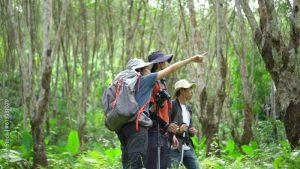
Image 3 Description: A group of trekkers, smiling and interacting, navigating a jungle path. The image should convey a sense of camaraderie and adventure. The trekkers should be dressed appropriately for the jungle environment, and the path should look challenging but manageable. This image emphasizes the social and experiential aspects of the trek, appealing to a broader audience.
Image 4 Description: A dramatic sunset over the jungle canopy, with vibrant oranges, reds, and purples filling the sky. The image should evoke a sense of peace and tranquility, highlighting the beauty of the natural world. Silhouetted trees against the sunset would add to the dramatic effect. This image can be used to convey a sense of serenity and escape.
Marketing Channels
Reaching potential customers requires a multi-channel approach. A strong online presence is crucial, utilizing platforms such as:
Social Media Marketing: Instagram, Facebook, and YouTube are ideal for showcasing stunning visuals and engaging with potential customers. Targeted advertising on these platforms can reach specific demographics interested in adventure travel.
Search Engine Optimization (): Optimizing website content and using relevant s will improve search engine rankings, making it easier for potential customers to find information about the trekking adventures.
Website and Blog: A well-designed website with high-quality photography, detailed itineraries, and customer testimonials is essential. A blog can provide valuable information about jungle trekking, attracting potential customers and establishing credibility.
Email Marketing: Building an email list allows for direct communication with potential customers, providing updates, special offers, and travel tips.
Travel Agencies and Tour Operators: Partnering with established travel agencies and tour operators can expand reach and access a wider customer base.
Print Media and Brochures: While less prevalent, high-quality brochures and advertisements in relevant travel magazines can still reach a specific audience.
Sustainability and Responsible Jungle Trekking
Jungle trekking, while offering unparalleled adventure and cultural immersion, carries a significant responsibility towards environmental protection and the well-being of local communities. Sustainable practices are crucial to ensure the longevity of these experiences and the preservation of these fragile ecosystems. Ecotourism principles provide a framework for minimizing negative impacts and maximizing positive contributions.
Responsible jungle trekking necessitates a holistic approach, encompassing environmental stewardship, community engagement, and economic sustainability. It moves beyond simply enjoying the natural beauty; it actively contributes to its preservation and the empowerment of those who call it home. This requires a conscious effort from both operators and participants to adopt practices that minimize their footprint and maximize their positive impact.
Principles of Ecotourism in Jungle Trekking
Ecotourism, at its core, aims to minimize environmental impact and maximize benefits for local communities. In the context of jungle trekking, this translates to several key principles. These include careful planning and management of visitor numbers to avoid overcrowding and habitat degradation; responsible waste management, ensuring all waste is removed and disposed of properly; and the conservation of biodiversity through responsible interaction with flora and fauna.
Furthermore, educational initiatives that promote awareness of environmental issues are essential, fostering a sense of responsibility amongst trekkers. Finally, economic benefits should directly support local communities through employment opportunities and fair pricing.
Minimizing Environmental Impact of Jungle Trekking Activities
Several strategies can effectively minimize the environmental footprint of jungle trekking operations. These include implementing strict guidelines regarding waste disposal, with designated collection points and proper recycling facilities. The use of eco-friendly equipment and materials, such as biodegradable toiletries and reusable water bottles, significantly reduces the amount of waste generated. Trekking routes should be carefully planned to avoid sensitive ecosystems and minimize soil erosion, perhaps utilizing established trails and minimizing trail widening.
Educating trekkers on responsible behavior, such as staying on marked trails, respecting wildlife, and avoiding disturbing the natural environment, is equally vital. Furthermore, supporting reforestation and habitat restoration projects can actively contribute to the long-term health of the jungle environment. For example, a trekking company could partner with a local organization to plant trees along frequently used trails to mitigate erosion and enhance biodiversity.
Supporting Local Communities and Promoting Cultural Preservation
Sustainable jungle trekking initiatives must actively support local communities and contribute to cultural preservation. This can be achieved through employing local guides and porters, ensuring fair wages and safe working conditions. Purchasing locally sourced food and supplies strengthens the local economy and reduces the reliance on external resources. Moreover, involving local communities in the planning and management of trekking routes empowers them and ensures that their interests are considered.
Supporting local crafts and businesses provides additional income streams and encourages the preservation of traditional skills and cultural practices. For instance, a trekking company could partner with local artisans to sell their products at the trekking base camp, providing a platform for them to showcase their work and earn income. Finally, sharing knowledge and promoting cultural exchange between trekkers and local communities fosters mutual understanding and respect.
This could include arranging visits to local villages, engaging in cultural performances, and providing opportunities for trekkers to learn about local customs and traditions.
Outcome Summary
Ultimately, jungle trekking adventures provide an unparalleled opportunity for personal growth, connection with nature, and cultural understanding. By embracing responsible travel practices and supporting local communities, we can ensure the sustainability of these incredible experiences for generations to come. Whether you’re an experienced adventurer or a curious novice, the allure of the jungle awaits, promising a journey that will leave a lasting impression on your soul.
Question & Answer Hub
What’s the best time of year to go jungle trekking?
The ideal time varies greatly depending on the location. Research the specific region’s climate and weather patterns to avoid monsoon seasons or extreme heat.
How physically fit do I need to be?
Fitness levels required vary depending on the trek’s difficulty. Moderate fitness is generally recommended, but some treks demand high levels of endurance. Consult the tour operator for specific fitness requirements.
What vaccinations and medications should I consider?
Consult your doctor well in advance of your trip. Necessary vaccinations and malaria prophylaxis will depend on your destination and the duration of your trek.
Are jungle treks suitable for families with children?
Some jungle treks are suitable for families, but it depends on the age and fitness of the children and the difficulty of the trek. Choose family-friendly tours designed for younger participants.